

How to File a Railroad Lawsuit
Railroad companies operate in a unique environment, which requires an entirely different approach to handling claims of work-related injuries. union pacific railroad lawsuit can help settle the claim in a manner that appeals to both the injured worker and the company.
A new class action lawsuit alleges BNSF took, collected via trade, or otherwise obtained fingerprint biometrics in violation of informed consent from Illinois residents. This is in violation of Illinois' biometric privacy laws.
Negligence
In a lawsuit involving railroads where an injury to a non-railroad employee occurs and negligence is the reason for the lawsuit. An attorney who is experienced in FELA cases can help you create your case by conducting an investigation into the incident and gathering evidence including witness testimony and medical expert testimony. Your lawyer can also negotiate with you to receive an appropriate amount of damages. If negotiations fail your case will be heard in court.
The lawsuit claims that the controlled release of vinyl chloride increased the level of air pollution in Youngstown and other communities around it including an area in which the family is based and operates an enterprise that involves fishing expeditions. Leukemia lawsuit claims that their children suffer from swelling of the face, weeping eyes stomach problems, and other symptoms that are attributed to exposure to chemicals.
Stalling asks permission to file an amended complaint against defendants, including additional allegations of negligence. Defendants argue that state law claims of willful and wanton conduct are preempted by federal statute and that permitting the amendment would complicate the already difficult discovery process for both parties.
Damages
Railroad companies spend an enormous amount of money to deal with train accidents. They also seek the assistance of lawyers to defend their side. If you've been injured as a result of an accident involving trains it is crucial to consult an attorney who has experience in railroad accidents.
The railroad's liability depends on whether it was able to fulfill its duty to maintain the property in a safe, good condition. It must adhere to its rules and regulations.
If the plaintiff suffers injury because of the negligence of a railroad, the damages can include future and past medical expenses and lost wages, mental anguish and pain and suffering. In addition, punitive damages can be awarded if the conduct was particularly egregious.
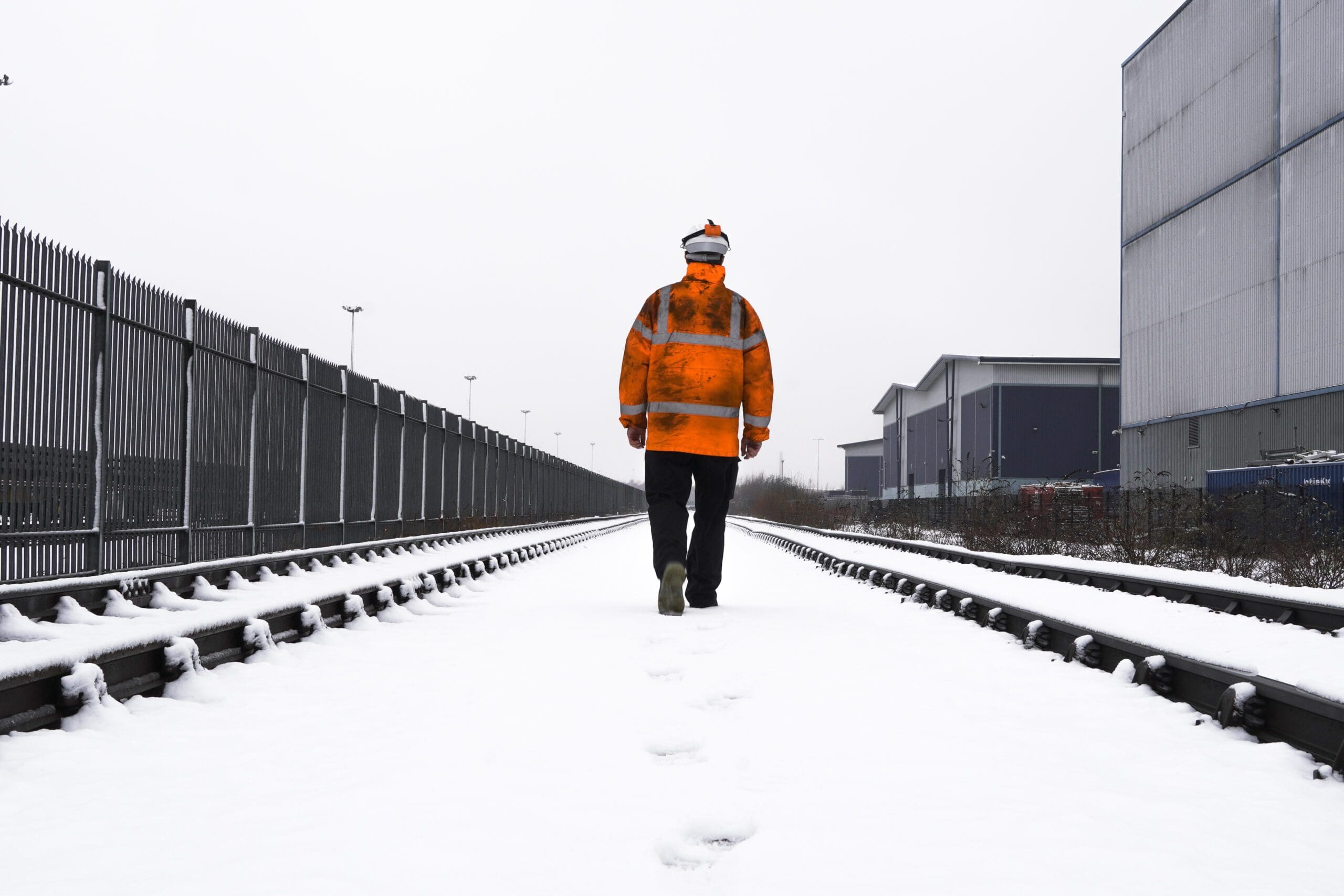
A Texas jury, for instance has recently ordered Union Pacific pay $557,000,000 to Mary Johnson following her being struck by trains. The damages comprised past, present and future discomfort and pain. $4 million for the past, present, as well as future medical expenses, and $2 million in lost income. $5.5 million was allocated to cover past, present, and future physical impairment.
FELA
A key aspect of FELA is that railroads must provide safe working conditions for their employees. If a worker gets injured while working, the railroad must pay for the injury. The railroad also has to pay damages to compensate for pain and suffering as well as permanent injuries. These types of damages are typically significantly more extensive than those awarded under workers' compensation.
Common carriers' employees involved in interstate trade can file a FELA lawsuit for an injury sustained at work. This includes workers such engineers, conductors brakemen, firemen track maintenance of way workers, signal maintainers, yardmasters electricians, machinists and electricians bridge and building workers, as well as carpenters.
Unlike workers' comp an individual who files a FELA claim must prove that negligence by the railroad was a contributing factor to their injuries. However the burden of proof is less than that which is required in a typical negligence case because FELA applies the "featherweight" standard of proof. This is that a worker should engage an experienced attorney as soon as possible after suffering an injury. Evidence and witnesses can fade over time.
Federal Laws
A railroad has a duty to take reasonable care in order to avoid injury to pedestrians who walk on roads or streets traversed by trains. This includes the obligation to identify the location of rail crossings and to provide sufficient warning that a train is nearing the highway or street. This requires the train crew to sound the whistle or ring a bell at least a quarter mile before the railroad crosses any street, road or highway and to continue blowing the horn or ringing the bell until the road is cleared of any train that is coming.
Railroad workers (past and present) who contract cancer or another chronic illness caused by exposure to carcinogenic substances like asbestos, creosote or benzene or chemical solvents have the option to file a lawsuit under FELA. Contrary to claims under workers' compensation, FELA damages are not restricted.
A lawsuit filed by 18 workers against New York & Atlantic accuses the company of discriminating against its workers, paying them less than the minimum wage, and excluding them from federal inspectors. The plaintiffs say their supervisors ordered them to hide when inspectors showed up.
Class Action
A class action occurs when a group of injured individuals make a claim on behalf of themselves and other people who are similarly injured. For instance, a group action could be filed in the event of a train derailment that causes injuries to many residents and workers in the vicinity.
In these situations, the lawyers representing the injured workers typically conduct extensive discovery. This can include written and in-person questions under oath by attorneys representing the parties. They also may hire experts to testify regarding your injuries and their impact on your life.
Bladder cancer lawsuit will ensure that you receive complete reimbursement for your loss of income, medical bills, physical pain and mental distress. This may include compensation for loss of enjoyment, which is important if your injuries have permanently impaired your ability to work and take pleasure in your hobbies.
The lawsuit seeks punitive damages for the plaintiffs as well as medical monitoring. They allege that Norfolk Southern and local officials made false statements about the pollution of the air and water following the accident on 3 February. The lawsuit also requests the court to prevent any additional waste from being disposed at the site and to prevent it from polluting Ohio waters.